

You're approving partner commissions while customer referral rewards sit in a separate spreadsheet. Each program has its own terms, but overlapping claims and subscription refunds still land with your team. A useful affiliate software pilot should test both programs together, from in-product sharing and partner introductions through paid invoices, duplicate claims and reward adjustments, before you commit.
- What affiliate software does for B2B SaaS
- Different requirements for users, partners and affiliates
- Choosing between unified software and separate tools
- Affiliate tracking software for long sales cycles and multiple decision makers
- Commission rules tied to collected subscription revenue
- Affiliate management features for recruitment and ongoing engagement
- Cross-border payouts and finance controls
- Fraud prevention and duplicate referral claims
- Reporting that connects affiliate activity to SaaS economics
- Billing, CRM and API integrations to verify
- The total cost of affiliate software
- A practical scorecard and pilot for choosing software
- Where Cello fits when users and partners both refer
- Key takeaways
TLDR:
- Choose unified affiliate software for fewer integrations; use separate tools for specialist depth.
- Test referral tracking across your sales cycle, including different signup and payer contacts.
- Tie payment-based commissions to collected revenue and define refund adjustments.
- Set ownership rules for overlapping user and partner claims before launch.
- Cello combines in-product user referrals with a partner portal but has no recruitment network.
What affiliate software does for B2B SaaS
Affiliate software attributes referred conversions and calculates commissions; payout and reporting capabilities vary by tool. For B2B SaaS teams, the distinction is scope.
- Affiliate tracking software connects each referred conversion to its source.
- Affiliate management software adds recruitment, onboarding and ongoing program administration.
Choose based on the work removed from your team, including manual billing-to-commission checks, partner reporting and commission-rule administration. Measure acquisition results separately from these workload reductions.
Different requirements for users, partners and affiliates
Choose affiliate software workflows by referral activity (user, partner and affiliate referrals), even when one person fills multiple roles.
Program | Enrollment | Sharing surface | Incentive | Support need |
|---|---|---|---|---|
User referrals | Existing customers | In-product links | Product benefit or reward | Claim guidance |
Partner programs | Relationship-based approval | Direct introductions | Agreed referral fee | Deal updates |
Affiliate programs | Promoter application | Audience-facing content | Conversion commission | Promotional assets |
Keep enrollment and support specific to each activity when roles overlap.
Choosing between unified software and separate tools
Choose software around the requirement that would block launch.
- Subscription-focused affiliate software fits recurring commissions.
- Recruitment networks, as covered in this affiliate network guide, offer access to potential affiliates.
- Partner management systems suit programs requiring deal registration.
- Unified user referral and partner software fits embedded sharing alongside partner workflows.
Choose unified software for fewer integrations and shared reporting; choose separate tools when specialist feature depth matters more. Check migration complexity before consolidating and define attribution conflict rules before splitting.
Affiliate tracking software for long sales cycles and multiple decision makers
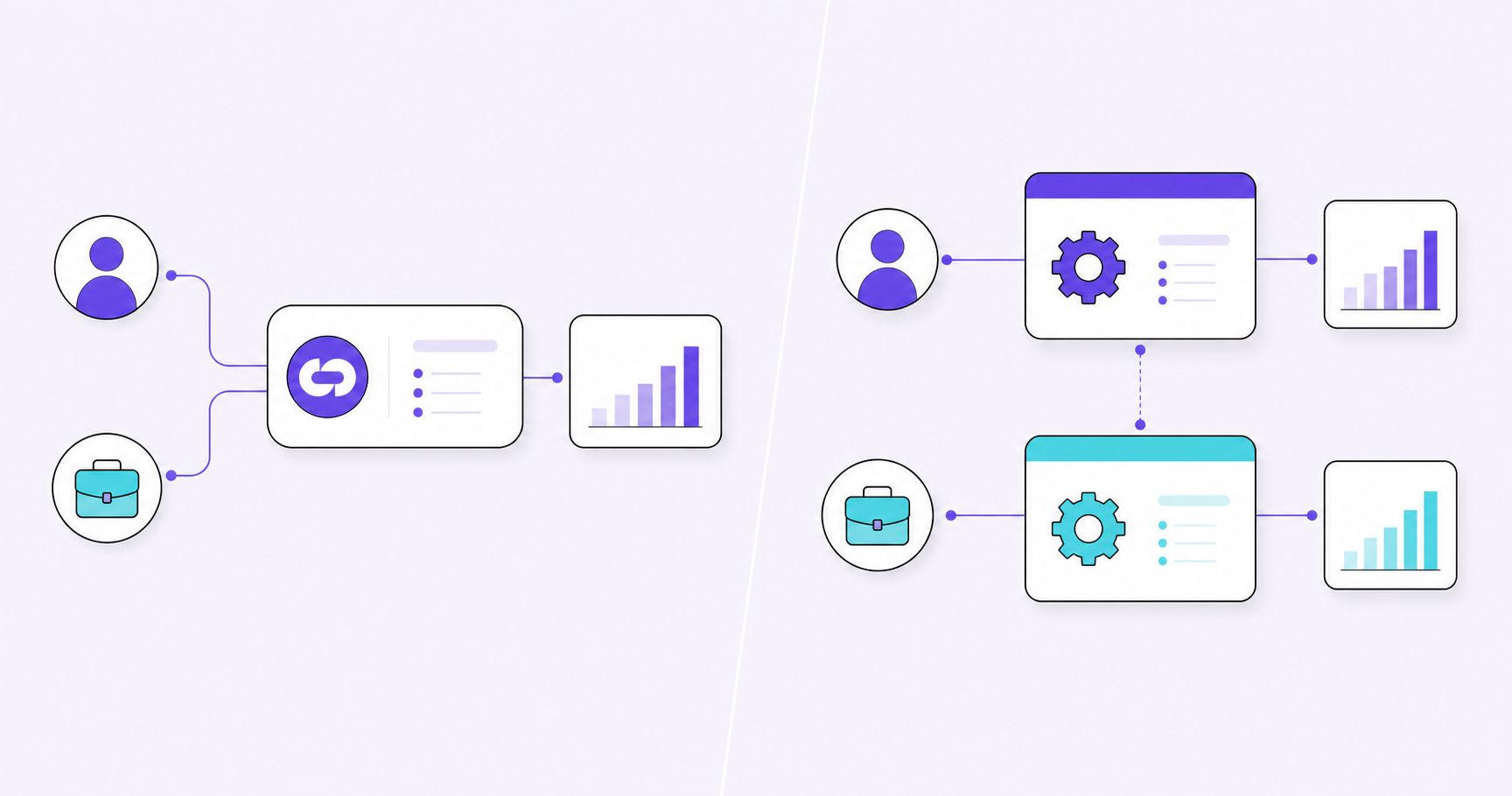
For SaaS affiliate program tracking, ask affiliate tracking software vendors to trace links and codes through company accounts, CRM opportunities and payments involving separate signup and payer contacts. Test attribution corrections, windows and competing first-touch versus last-touch claims.
WebKit documents script-writeable storage deletion after seven days of browser use without interaction with the site. This applies to JavaScript-set cookies and other script-writeable storage, not all attribution mechanisms.
Server-side tracking requires a valid referral identifier.
Require proof of where that identifier is stored throughout the sales cycle. Server-side tracking alone neither matches anonymous cross-device visitors nor removes consent obligations.
Commission rules tied to collected subscription revenue
Choose affiliate software that supports recurring revenue share or fixed commissions, caps and duration. Separate calculation, approval and payout release.
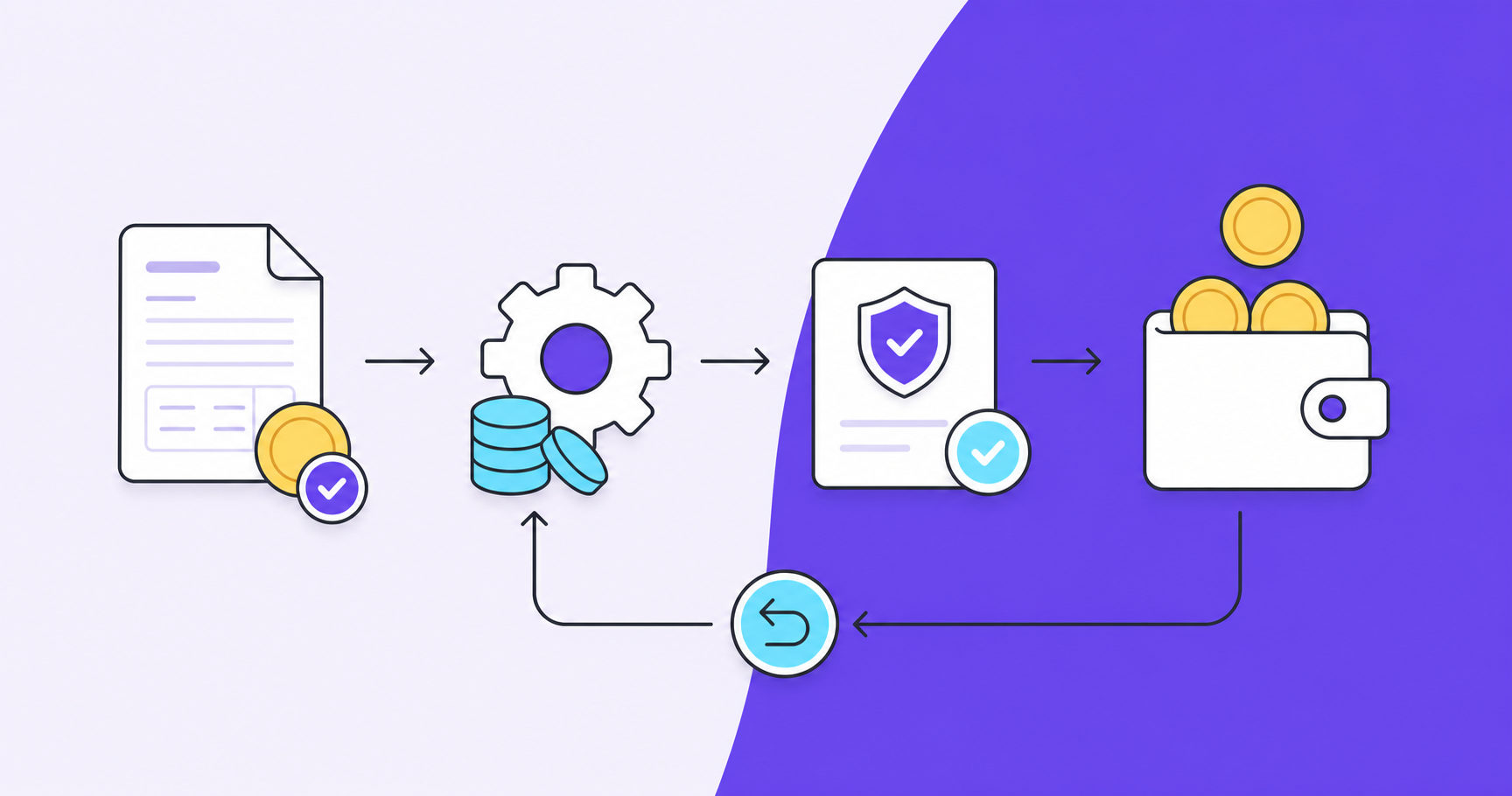
- Award payment-based commissions after trial-to-paid conversion; define annual-contract treatment.
- Define how upgrades, prorations, refunds and excluded charges affect commissionable revenue, following clear payout rules for cancellations and refunds.
- Test manual invoices and customer relationship management deal-stage inputs; require confirmed collections for payment-based commissions.
- Preserve existing agreements when rates change.
Compare cash rewards with product benefits by fulfillment cost, recipient value and margins.
Affiliate management features for recruitment and ongoing engagement
Affiliate management software does not necessarily include a recruitment network; check whether you must bring your own contacts.
- Application forms and approval workflows control enrollment.
- Recorded terms acceptance documents agreement.
- Onboarding materials explain participation.
- Creative asset access supports promotion.
- Partner communications keep affiliates informed.
External promoters need a dashboard showing offers and referral progress; users need those details in-product. Plan recurring partner updates and relevant product prompts to keep participation active after launch.
Cross-border payouts and finance controls
Verify each recipient-country and payment-method combination, including required bank transfers. Global coverage claims do not confirm payout availability.
- Check settlement currencies, conversion fees, minimum balances and payout timing.
- Separate commission approval from money movement using automated payouts and compliance controls; confirm prefunding requirements.
- Assign failed-payment retry ownership and require exports finance can match to commission records.
- Confirm who handles tax documents and identity checks.
Before signing, document who owns unpaid commission liabilities when switching providers or closing the program.
Fraud prevention and duplicate referral claims
Good fraud detection referral software should flag self-referrals and suspicious activity without automatically rejecting legitimate colleagues from the same organization. Require refund holds, manual commission review and an audit trail explaining each acceptance, rejection or reassignment.
Before launch, document ownership rules for overlapping user and partner claims, existing sales opportunities and repeat submissions. Have legal review incentive disclosures, employee gift policies and program terms separately from fraud controls.
Reporting that connects affiliate activity to SaaS economics
Require affiliate software reporting from enrollment and sharing through qualified opportunities, paid conversions and retained subscription revenue. Separate pending commission liabilities from paid commissions. Combine activation, retention, acquisition costs and contribution in one cohort view so you can compare referral spend with collected revenue over the same period.
Compare cohorts consistently.
- Activation measures the share reaching a product milestone.
- Retention measures the share still paying after a set period.
- Customer acquisition cost includes rewards.
- Contribution subtracts delivery costs and rewards from collected revenue.
Attribution does not prove incrementality. Test eligible groups with and without referral offers where practical.
Billing, CRM and API integrations to verify
Map product, customer relationship management (CRM), billing and affiliate software data flows, including account identifiers, manual invoices and custom conversions, especially for referral attribution setup without Stripe. Separate native connectors from custom application programming interface (API) work; assign implementation, monitoring and maintenance owners.
Stripe’s live-mode webhook retries run for up to three days. Require duplicate-event protection and commission checks against billing events. Before launch, ask vendors to show retry handling, refund adjustments and recovery from missing or out-of-order events.
The total cost of affiliate software
Compare affiliate software proposals using a total-cost worksheet that separates participant commissions from software charges.
- Record subscription fees, usage limits, partner-count limits and optional modules.
- Itemize transaction and reward-processing fees, including how each is calculated.
- Include implementation, payout currency conversion, internal operating time and migration costs.
Model expected referral revenue and active partner count, then test higher volume. Ask which charges scale with revenue or participation and what exceeding limits costs.
A practical scorecard and pilot for choosing software
Choose affiliate software against a scorecard covering ownership, vendor evidence, configuration dependencies and pass/fail criteria. Separate launch blockers from optional features.
When deciding on a referral vs affiliate program for B2B SaaS, assign user participation to growth, introductions to partnerships, attribution to RevOps, integrations to engineering and commissions to finance.
Pilot user referrals, partner introductions, different signup and payer contacts, manual invoices, duplicate claims and refunds. Check existing links, earned commissions and export access during migration. Set acceptance criteria before rollout.
Where Cello fits when users and partners both refer
Cello is a referral platform for B2B SaaS teams running User-Led Growth alongside partner referrals. Its embedded Referral Component serves product users; Partner Programs gives external referrers a separate portal. Cello supports server-side purchase attribution through webhooks or API events carrying the referral code. Shared referral attribution and reward management support Referrals on Autopilot.
Cello has no native affiliate recruitment network, detailed placement-level attribution or partner broadcast messaging. If these are launch requirements, choose external tools or another vendor. Review the User Referrals and Partner Programs product pages before shortlisting Cello.
Key takeaways
- The right fit starts with your referral activity, not the longest feature list.
- Keep workload savings separate from the revenue you measure.
Can you use Cello with manual invoices if your SaaS does not have automated billing?
Cello can support manual-invoice referral workflows through custom integration, but payment-based commissions need confirmation that the invoice was paid. Map the referral to the customer account, then send the verified payment event through the Cello API (application programming interface). A closed-won deal alone is insufficient proof of collection.
Is Cello a fit if your European partners require SEPA commission payouts?
Cello is not a fit for native automated SEPA payouts because SEPA is not currently supported. If bank transfers are mandatory, confirm a tracking-only or manual reward-processing setup with Cello and keep disbursement in your finance system, or choose another provider. Test the required recipient-country and payment-method combinations before signing.
How do you test whether Stripe webhook retries create duplicate commissions in your affiliate tracking software?
Replay the same Stripe payment event and check that your affiliate tracking software records only one commission for the underlying transaction. Then send a refund event and verify that the commission adjustment matches your policy without creating a second payout. Make both tests launch acceptance criteria and retain the event identifiers for finance checks.
What's a practical way to find SaaS affiliates if you don't have a dedicated partner manager?
Start with consultants, integration partners and niche publishers who already serve your target customers. Give prospects a clear offer, an application form and ready-to-use promotional materials, then assign a recurring outreach slot to one owner. Cello has no native recruitment network, so you must source contacts yourself or use a separate recruitment service.
Can you launch partner referrals before your engineers add an in-product referral widget?
You can launch Cello Partner Programs before adding the in-product Referral Component. External partners use a separate portal, but conversion tracking still needs a working billing connection or custom event integration. Treat portal setup and payment attribution as separate launch tasks.
Is server-side affiliate tracking enough if your prospects switch devices during a long sales cycle?
Server-side tracking alone cannot connect anonymous visitors across devices. Your affiliate tracking software needs a referral identifier linked to a known customer or company account and carried through to payment. Test a device switch before signup and another after signup to check where that identity link holds.
What should you do when a customer and a partner both claim the same referred company?
Apply a written ownership rule before approving either reward. Define whether the first valid introduction, last eligible referral or an existing sales opportunity takes precedence, then retain evidence for any reassignment. Test competing user and partner claims against the same company account before launch.
Should you offer recurring commissions or a fixed bounty when your SaaS sells monthly and annual plans?
Use recurring revenue share when rewards should follow collected subscription revenue, and a fixed bounty when you need a defined acquisition cost per conversion. For annual plans, specify whether commission applies to the collected annual payment and whether renewals qualify. Compare both options against delivery costs, refunds and expected retention before setting rates.
How can you keep affiliates active if your affiliate management software has no broadcast email tools?
Use your existing email service for partner updates and keep approved promotional assets in a shared resource space. Separate program announcements from transactional reward notices, and assign an owner to maintain the contact list. Cello lacks native partner broadcast messaging, so plan this workflow outside Cello.
How do you assign ownership when your user referral and affiliate programs share one tool?
Assign growth to user participation, partnerships to partner relationships, RevOps to attribution, engineering to integrations and finance to commission approval. Name one program lead to resolve cross-team disputes and approve changes to shared rules. A shared tool does not remove the need for separate responsibilities.
How do you preserve referral attribution when your signup contact and payer are different people?
Link the referral to a stable company account identifier shared across your product, customer relationship management system and billing records. Test a signup by one contact followed by payment from another, then confirm the commission belongs to the original referral source. Matching individual email accounts alone is insufficient for this workflow.
What costs should you model if you already have a large partner roster?
Model software charges against your full partner count, expected referral revenue and reward volume. Include participant limits, processing fees, payout currency conversion, implementation and internal administration time, while keeping partner commissions separate from vendor charges. Ask whether inactive partners count toward limits and what happens when you exceed them.
What happens to earned commissions if you switch affiliate software or close your program?
Earned commissions need a documented settlement plan; switching software does not settle them automatically. Export unpaid balances and supporting records, agree who funds and processes outstanding rewards and retain reporting access through the final payment checks. Confirm the vendor's termination terms before signing and tell partners how remaining payments will be handled.