You've found a free tool, but your SaaS partner program still needs a budget. Commissions, payout charges, integration work and staff time don't disappear when enrollment costs nothing. When you compare affiliate marketing networks, separate access to new partners from software for relationships you recruit yourself. For those directly managed relationships, let's compare the full cost and test what happens from the first introduction through payment, renewal and refund.
TLDR:
- Decide whether you need new SaaS partners or software to manage existing relationships.
- Track referrals at the company-account level through cleared payment.
- Base commissions on collected revenue, with written renewal and refund rules.
- Pilot one partner segment; test signup, payment, refunds and attribution disputes.
- Cello Partner Referrals manages partners you recruit; it has no native partner marketplace.
Affiliate marketing networks in a B2B SaaS context
For B2B SaaS teams, this guide compares affiliate marketing networks through directly recruited partner relationships and the software needed to manage them. Consumer merchant directories fall outside its scope.
A partner network consists of businesses and professionals referring prospective customers. Program rules govern attribution, commission eligibility and payment terms. Before buying software, choosing between a referral or affiliate program matters more than deciding whether you need access to new partners or tools to manage existing relationships. Those are different purchases.
Affiliate programs, partner programs and user referrals
Motion | Who refers | Introduction method | Compensation trigger |
|---|---|---|---|
Affiliate programs | Publishers or external promoters | Tracked promotional links | Qualifying conversion under program terms |
Partner programs | Agencies or consultants | Client introductions or sales handoffs | Agreed lead milestone or closed deal |
User referrals | Existing product users | Peer recommendations | Eligible signup or paid conversion |
Reseller relationships can require quoting and billing; integration partnerships can require technical validation and co-selling beyond referral tracking. These added layers are part of why simple affiliate tracking alone often falls short for B2B SaaS, a shift covered in B2B SaaS affiliate marketing trends.
How B2B partner referrals work
For a hypothetical consultant referral, track the company account through payment.
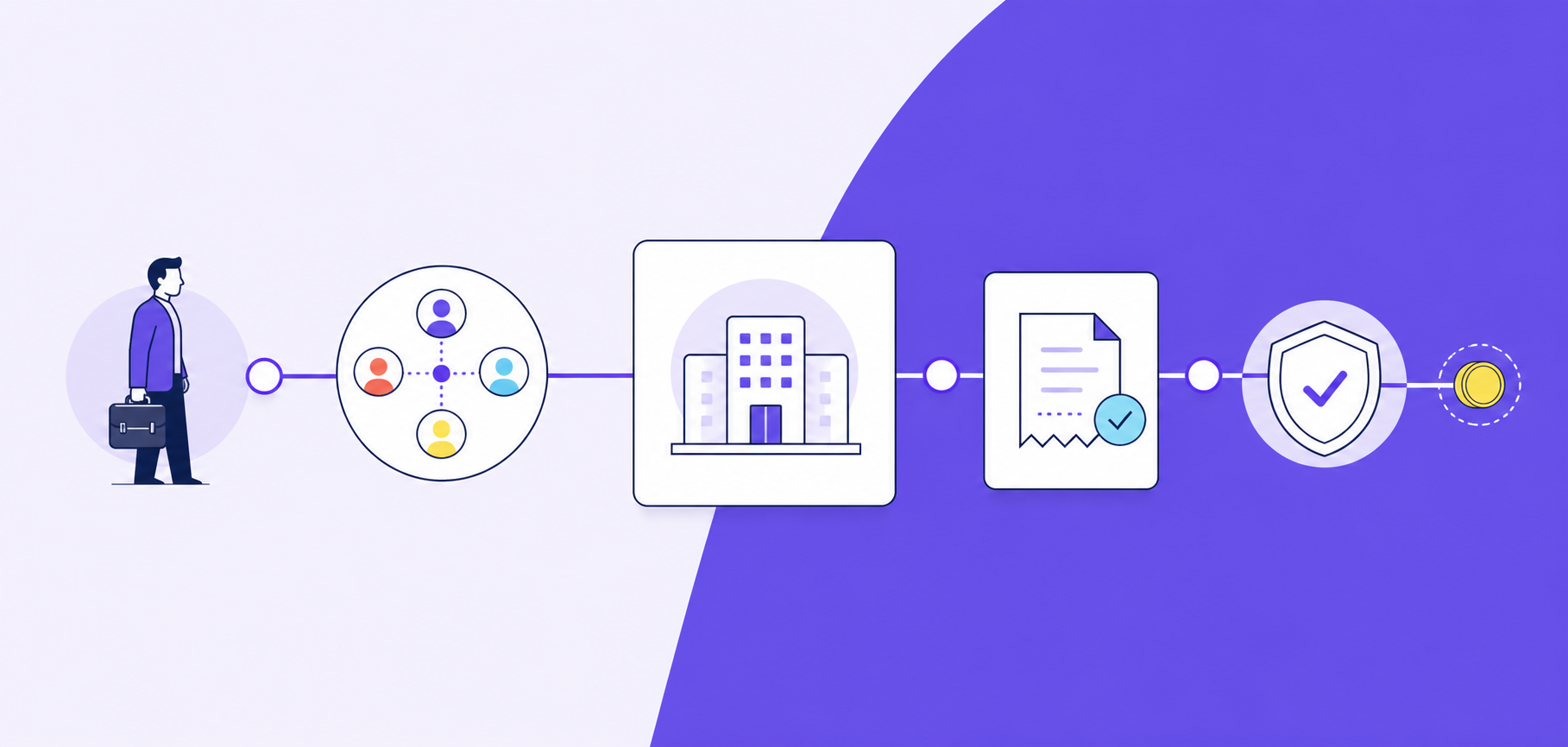
- Recruit for client fit; agree messaging and referral terms.
- Link the introduction and subsequent contacts to that account.
- Preserve attribution through the sales cycle; confirm cleared payment.
- Calculate commission; pay after eligibility checks and refund holds.
Gartner's May 2025 research describes B2B buying groups as ranging from roughly five to sixteen people across several functions. This is not SaaS-specific.
Benefits and drawbacks of building a partner network
A partner network can connect you with relevant buyers and implementation expertise that supports adoption, which matters when setting up a SaaS affiliate program. Outcome-based compensation ties spending to results but does not guarantee lower acquisition costs.
For example, an implementation consultant can introduce a client with a confirmed integration need, then configure the connection and train the client's team so they can start using the product. Weigh these benefits against the work and risks.
- Recruitment takes time and signed partners can remain inactive.
- Overlapping sales claims can create channel conflict.
- Revenue can depend on a few relationships.
- Niche-market partners may reach the same limited buyer pool.
Budget for recruitment and partner support before committing.
E-commerce-focused tools, SaaS referral software and custom builds compared
Choose by workflow fit and ongoing ownership, not the tool's category label. For e-commerce-focused and SaaS referral software alike, test recurring commissions, contract support and attribution across contacts at the same company. Check partner access, payout coverage and data exports. An internal build puts identity matching, subscription handling, authentication, payouts and maintenance on your engineering team.
Choose software that passes workflow tests as part of a wider partnership marketing strategy; build internally only when unusual requirements warrant ongoing engineering ownership.
Attribution requirements for self-service and sales-led SaaS
McKinsey reports buyers use an average of ten channels during purchasing.
- For self-service, tracking a SaaS affiliate program means testing referral identifier capture and trial-to-paid conversion.
- For sales-led purchases, test demo attendance, customer relationship management account matching and payment by another contact.
Define commission ownership separately from multi-touch marketing credit.
Server-side tracking requires capturing and preserving the referral identifier. It does not automatically resolve device-switching or consent limitations.
Test these failure cases before launch.
Commission structures that fit subscription economics
Use annual recurring revenue (ARR) to model affordability and base payouts on collected revenue and explicit eligibility rules.
- Fixed acquisition payments set a known cost per qualifying customer.
- Recurring revenue shares tie commissions to subscription receipts over an agreed period.
- Partner-specific tiers use negotiated rates. Automatic escalation instead changes rates at defined performance thresholds (such as a rate increase after a partner closes 10 deals in a quarter) and requires tracking logic.
Document commission duration, renewal and upgrade eligibility, refund reversals and when cancellations end future eligibility.
Free affiliate tools and the real cost of running a program
Free partner enrollment does not eliminate program costs. Estimate monthly spending before choosing affiliate tools.
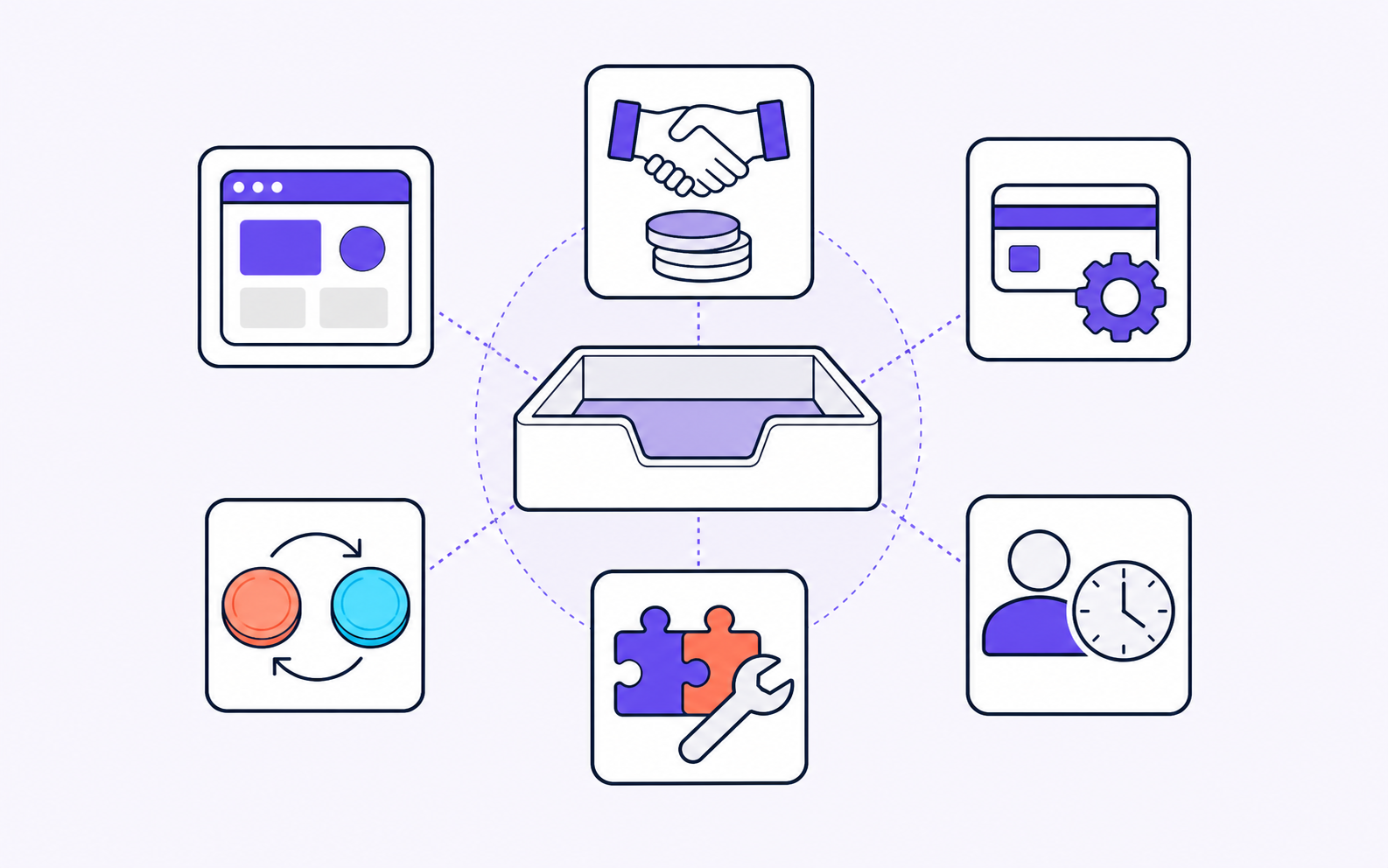
Include software subscriptions and add-ons, eligible commissions, payout processing and currency conversion in the budget. Price integration work and ongoing administration using engineering and staff hours at internal rates.
Start manually while you can check every referral and payment. Adopt referral software with automated payouts when matching billing records with partner balances becomes difficult to audit.
International payouts, compliance and fraud controls
- Get jurisdiction-specific legal review before launching in the US, UK, EU, Australia or South Africa, especially when building GDPR-compliant referral programs for European fintech.
- Confirm recipient eligibility, tax responsibilities and data-handling requirements by country.
- Separate billing-event sources such as Stripe from payout methods such as PayPal. Verify currencies and local bank-transfer availability.
- Check affiliate disclosure obligations and recipients’ employer gift policies before offering rewards.
- Define self-referral exclusions and duplicate-claim rules. Assign payout reviewers, document approvals and provide a dispute process.
Recruiting and supporting the right SaaS partners
Recruit SaaS partners through customer recommendations, service directories and existing commercial relationships. Focus on agencies, implementation consultants and complementary software businesses.
- Qualify candidates for buyer overlap, product knowledge and capacity to make useful introductions.
- Provide onboarding materials covering buyer fit, approved messaging and submission instructions.
- Show partners referral progress and rejection reasons.
Choose referral management software to track relationships and outcomes, or recruitment services to find and approach candidates.
A beginner-friendly launch and evaluation plan
Limit the pilot to one partner segment. Assign an owner and approve written terms before inviting participants.
- Test signup, payment, refund handling and disputed attribution end to end.
- Run separate acceptance tests for self-service checkout and sales-assisted conversion.
- Verify partner login and commission visibility.
For the build-or-buy referral program decision, document required workflows, staffing, integration effort and exit requirements, including data export. Choose the path that meets these requirements within your team’s capacity.
Measuring partner program performance
Track monthly activity and acquisition cohorts through payment and renewal.
Metric | Basis |
|---|---|
Recruited partners | Monthly enrollments |
Active partner rate | Qualified introducers / enrolled partners |
Qualified introductions | Monthly buyer-fit matches |
Paid conversion | Cohort payers / introductions |
Partner-sourced ARR | Month-end annual recurring revenue |
Retention | Cohort payers after 12 months / acquired accounts |
Acquisition cost | Cohort commissions, software and staff / new payers |
Separate sourced from assisted revenue. Compare similar-age cohorts and customer mixes.
Check recruitment, activation, qualification and retention gaps.
Cello for directly managed SaaS partner referrals
Cello Partner Referrals manages partners you recruit through a dedicated portal. User Referrals separately embeds inside your product for existing users. Attribution, reward management and reporting track referrals through payment.
Cello Partner Referrals has no native partner discovery marketplace or automatic performance-based commission escalation; higher tiers require manual campaign changes. For Referrals on Autopilot, test billing events, reward rules and reporting needs. Choose Cello when these workflows fit; retain other tools for partnership work beyond referral management.
Final Thoughts on Evaluating Affiliate Marketing Networks and Partner Software
Separate the question of finding new partners from the question of managing the ones you recruit. Your commission structure, attribution rules and payout process need to work before you scale, not after. Pick one partner segment, run it end to end and treat attribution gaps or duplicate payouts as blockers. Try Cello if directly managed referrals and payment tracking are what your program needs.
You can launch Cello Partner Referrals through its standalone Partner Portal before adding the in-product referral component. The portal does not require an in-app embed, but conversion tracking still needs setup and testing. Keep partner records and attribution intact when adding User Referrals later.
Cello is worth considering when you already have relevant partners and need to track their introductions through payment. For a niche-market pilot, judge progress by qualified introductions and account progression before expecting paid conversions. Compare commissions, software costs and staff time against collected revenue before expanding the program.
Test a referral where one person starts the buying process and another person pays for the same company account. Check that the original referral remains linked to that account, the Stripe payment produces the expected commission and a refund receives the treatment stated in your terms. Treat lost attribution or duplicate rewards as launch blockers.
Cello does not support automated SEPA payouts, so a SEPA-only requirement needs a separate payment process. Confirm whether partners can accept PayPal before enrollment; if they cannot, discuss manual reward processing with Cello and retain responsibility for disbursement through your own systems.
You need referral management software if partner recruitment is already covered; access to a network is a separate purchase. Check whether the software tracks introductions through payment, calculates commissions and gives partners referral visibility. Cello Partner Referrals manages partners you recruit but has no native partner marketplace.
Start with agencies and consultants your customers already trust, then assign one internal owner to recruitment and follow-up. Ask customers for introductions and check service directories for candidates with matching buyers. Give approved partners clear qualification criteria, messaging and referral submission instructions.
Free enrollment does not fund commissions, so it cannot replace a reward budget. Before promising payouts, model commissions, processing charges, integration work and staff time against expected collected revenue. If you cannot fund the proposed terms, postpone paid recruitment or agree on a non-cash arrangement with suitable partners.
For a revenue-focused SaaS program, pay commissions after the referred customer completes a qualifying payment. Trial signup rewards create costs even when users never convert. State the payment trigger and refund hold in your terms, then test both a converted trial and an abandoned trial.
Server-side tracking alone does not guarantee attribution across devices. You must capture the referral identifier and preserve its link to a known customer account before the payment event occurs. Test device changes and delayed conversions, and confirm that your data collection follows applicable consent requirements.
Choose a fixed commission when you need a known acquisition cost; choose recurring revenue share when compensation should follow subscription receipts over an agreed period. Model both against collected revenue and customer retention. For annual contracts, state whether renewals qualify and when commissions become payable.
Apply a written commission-ownership rule at the company-account level before approving either payout. Retain introduction timestamps and sales records, assign a reviewer and give partners a dispute process. Keep commission ownership separate from marketing attribution, which can credit several contributors.
Calculate commissions from eligible collected revenue, using written rules for upgrade charges and refund adjustments. Test an upgrade, a partial refund and a cancellation before launch to check the resulting partner balance. State whether already-paid commissions are recoverable or deducted from future earnings.
Use shared commercial terms only after local legal review confirms which country-specific changes are needed. Check disclosure duties, tax responsibilities, data handling and recipient eligibility in each market. Confirm payout support separately, since payment availability does not settle legal or tax obligations.
Agree on payout responsibility and export partner balances before ending the old service. Preserve referral identifiers, customer-account mappings, commission terms and payment history, then test migrated records against billing data. Get written confirmation of how pending rewards and later refunds will be handled during the transition.