
Your migration plan has an import date, but partners still don’t know where their pending rewards will go. They need clear payment dates, access to past statements and a way to report missing credit without starting from scratch. Plan your affiliate program migration around those needs, then pilot the move with a small group before switching everyone over.
- Affiliate program migration for SaaS partner referrals
- Migration scope, ownership and launch criteria
- Destination requirements and compatibility gaps
- Partner records and financial history worth preserving
- Attribution continuity for accounts and in-flight deals
- Commission rules and payout obligations across cutover
- Existing referral links and active campaigns
- Partner communication without an unnecessary reset
- Billing-event continuity without duplicate commissions
- End-to-end testing before partners switch
- Controlled cutover and rollback
- Post-migration reconciliation and legacy retirement
- Moving partner referrals to Cello
- Key takeaways
TLDR:
- Map partner IDs to customer accounts to preserve credit during affiliate program migration.
- Use one commission ledger and deduplicate billing events to prevent duplicate rewards.
- Delay cutover until attribution tests pass and commission balances match Finance’s records.
- Notify your partners with active deals or unpaid commissions first; confirm access after cutover.
- Confirm bulk-provisioning and payout-schedule requirements with Cello before moving.
Affiliate program migration for SaaS partner referrals
Affiliate program migration moves an existing SaaS affiliate program to new software while preserving partner relationships, attribution and commission obligations. Referral credit and rewards belong in scope; co-sell workflows and reseller contracting need separate planning.
Switch when missing conversions, payout errors or manual tracking create recurring work, especially after you compare affiliate marketing networks. Before choosing software, document earned commissions, agreed reward terms and ownership of in-flight referrals that must carry over unchanged. Decide any changes to those commitments separately.
Migration scope, ownership and launch criteria
Scope affiliate program migration around partner records, campaigns, tracking links, open opportunities, recurring commissions and payout history.
|
Owner |
Responsibility |
|---|---|
|
Partnerships |
Partner records and campaigns |
|
RevOps |
Open opportunities and export access |
|
Engineering |
Link routing and tracking tests |
|
Finance |
Commission balances, contract notice periods and overlapping subscription costs |
Prepare export access before import; validate before launch.
Postpone cutover if records are missing, attribution tests fail or commission balances remain unexplained.
Destination requirements and compatibility gaps
Build a requirements matrix before committing to affiliate program migration. Classify each current rule as natively supported, requiring custom work or unsupported, which matters when comparing PartnerStack alternatives.
- Check account-level attribution and customer relationship management (CRM) milestones.
- Map recurring commissions to renewals and cancellations.
- Test partner access and payout controls.
- Confirm which historical records can be imported or must remain read-only archives.
Separate deal registration and reseller billing into distinct rows. Keep unsupported workflows in existing systems.
Partner records and financial history worth preserving
For affiliate program migration, create an export worksheet with source fields, destination fields and validation columns. Include partner IDs, contacts, accepted terms, campaign enrollment, reward agreements, referred accounts and billing identifiers.
Separate paid, approved, pending, disputed and reversed commissions. Match opening balances against Finance’s records before import; investigate partner-level differences.
Archive unsupported history with restricted access and retention dates, a step teams often weigh when choosing a PartnerStack alternative. Index transactions and tax documents by partner ID. Store credentials securely outside the worksheet.
Attribution continuity for accounts and in-flight deals
Preserve account-level partner credit during affiliate program migration with a crosswalk table mapping old partner IDs and referral identifiers to customer relationship management (CRM) accounts, opportunities, product organizations and billing customers.
When one employee clicks, a colleague signs up and Finance pays, retain their shared account relationship, which depends on reliable Stripe referral tracking.
Before cutover, define overlapping-claim precedence, attribution-window expiry and credit for opportunities closing after cutover. Flag missing evidence for manual review; migration cannot recreate it automatically.
Commission rules and payout obligations across cutover
Preserve reward tiers, recurring entitlements, caps and original start dates. Define refund adjustments to payouts and whether commissions accrue on invoiced or collected revenue.
Before cutover, sign an agreement naming the system responsible for each outstanding reward, its payment date and where partners can retrieve historical statements.
Check payout readiness country by country.
- Confirm payment methods, including PayPal payouts or Venmo where available.
- Record settlement currency and fees.
- Verify tax documentation requirements and partner re-verification steps.
Existing referral links and active campaigns
Inventory links on partner websites, resource pages, email sequences and shared in-product referral surfaces before changing destinations. Record each placement’s owner and campaign.
Company-controlled links may support redirects; vendor-owned URLs may need replacement. Test referral identifiers, landing-page behavior and discounts on each route.
Treat pre-cutover clicks that convert later as a separate cohort. Redirects do not transfer browser state or historical attribution. Keep existing click evidence accessible until its attribution window expires. Log each placement’s status in a shared tracker (live, redirected or replaced) so Partnerships can answer a partner’s question about any specific link within a day.
Partner communication without an unnecessary reset
Notify partners with active opportunities or unpaid commissions first. Keep the message sequence short.
- Before migration, explain what changes, what stays intact and required actions.
- At cutover, remind partners of outstanding steps and deadlines.
- Afterward, confirm access and where to check rewards.
Provide a verified support contact and missing-reward dispute process, including required evidence and response timing. Use prefilled records and assisted activation where supported; never promise unchanged passwords, payout credentials or tax verification. Partners with open deals will also ask where those deals stand, so confirm which CRM deal-stage updates from HubSpot or Salesforce your destination can show them without revealing deal amounts.
Billing-event continuity without duplicate commissions
Map billing events for Stripe, Chargebee referral tracking, Paddle or Recurly, confirming provider-specific event names and processing rules.
Set a cutover timestamp and use one authoritative commission ledger while both systems receive data. Deduplicate by provider event ID and underlying transaction so replays cannot create duplicate commissions.
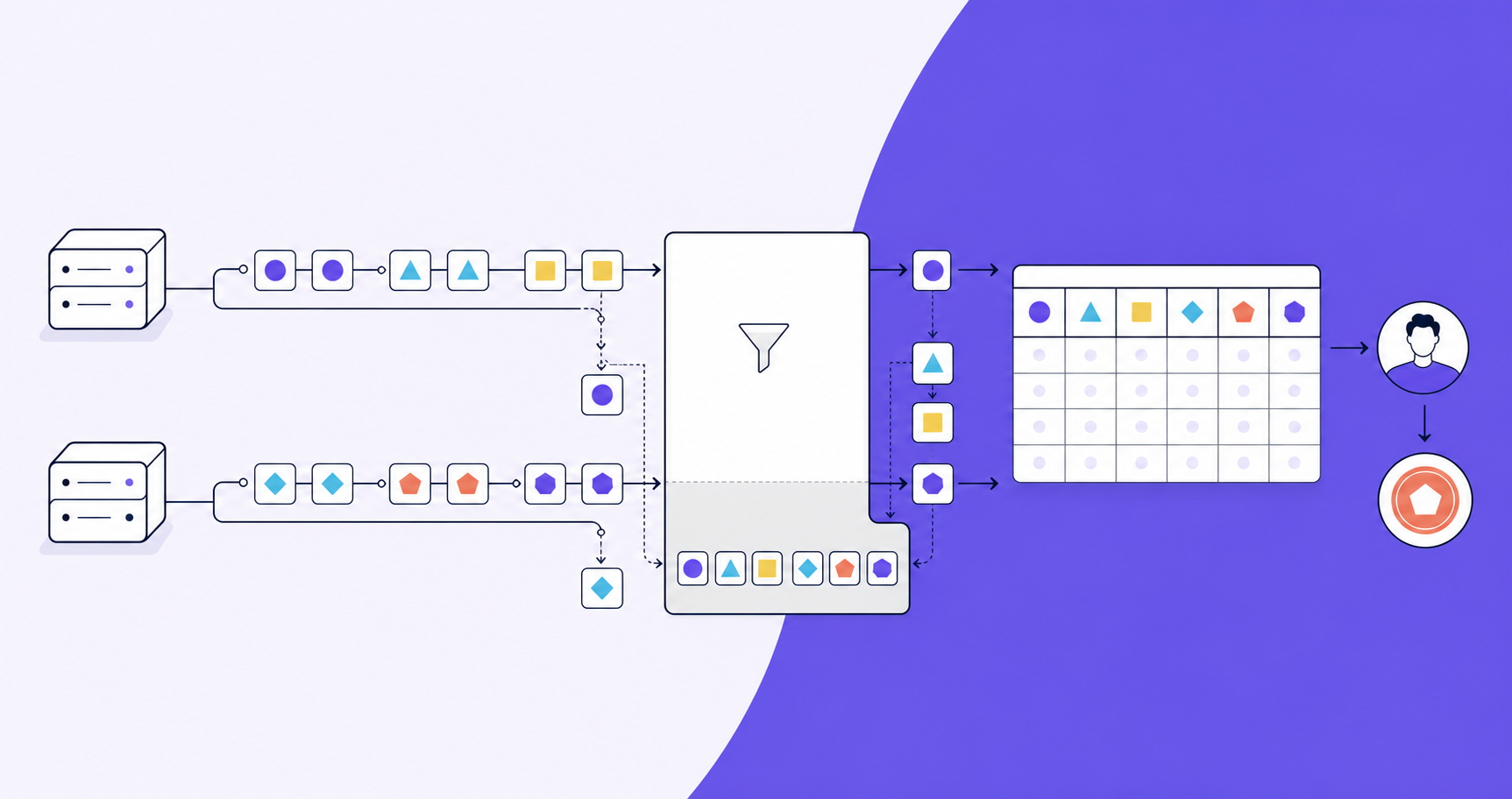
Stripe retries failed live-mode deliveries for up to three days. Check event timestamps before assigning credit because late arrivals can predate cutover.
End-to-end testing before partners switch
Define expected partner attribution and commission outcomes for every affiliate program migration test.
- Test old and new links with different signup and payer identities.
- Cover sales-assisted conversions and subscription renewals.
- Check failed payments, refunds, self-referrals and duplicate partner claims.
- Confirm imported history triggers no fresh payouts.
Test endpoint response timing under load. Paddle requires HTTP 200 within five seconds; queue downstream processing separately so commission calculations do not delay acknowledgment.
Controlled cutover and rollback
Pilot the affiliate program migration with a small partner group before expanding rollout. Import the final data delta, version configuration changes and get Partnerships, Engineering and Finance sign-off. Compare parallel reports, but execute payouts in one system to prevent duplicate payments, a precaution worth checking against your Recurly referral integration.
Roll back if attribution disappears, balances diverge or partners lose access. Pause payouts, restore prior routing and retain processed-event checkpoints. Check transaction records, then recover only unprocessed events. Never replay the full migration.
Post-migration reconciliation and legacy retirement
Compare attribution completeness, commission balances, partner access and payout exceptions against the pre-migration baseline. Allow for normal sales-cycle delays before classifying open referrals as missing.
Keep an exception register with a named owner and evidence for each missing referral or disputed reward. Retire the old system only after agreeing on a plan for outstanding obligations, delayed conversions, record retention and historical statement access.
Moving partner referrals to Cello
Cello is a referral platform that combines Affiliate Referrals and User Referrals while keeping their rules distinct. Plan widget rollout separately from the partner program migration. Cello supports a partner-first path: launch the Partner Portal, tracking, payouts and reporting first, then add the in-product User Referral widget once product teams have capacity. Historical referrals can be imported manually through the portal to backfill attribution for pre-Cello partner relationships, and that data carries over when user referrals join later. Confirm bulk-provisioning and fixed-calendar payout requirements with Cello before committing to the move. Check readiness for Referrals on Autopilot before rollout.
Key takeaways
- Set the cutover date after testing, not before.
- Move forward once attribution checks pass and commission balances match.
Should you switch from Stripe to Chargebee during your affiliate program migration to Cello?
Keep the billing change separate where possible so attribution errors and commission differences are easier to trace. If both changes must happen together, map old and new customer, subscription and transaction identifiers before testing renewals, refunds and delayed conversions.
What's the safest way to pilot Cello if your partners earn recurring commissions?
Choose a small pilot group that covers different commission agreements and subscription states, not simply your most active partners. Include an upcoming renewal, a capped reward and a pending commission, then compare expected amounts with actual calculations before expanding the rollout. Keep original entitlement start dates so migration does not restart or extend commission periods.
How do you handle a Stripe refund after moving to Cello if the original commission was already paid?
Assign the refund adjustment to the ledger responsible for the original commission, even if the refund arrives after cutover. Link the Stripe refund to the original transaction and partner record, then apply the agreed reversal or future-payment offset policy. Confirm the handling with Finance and Cello before launch; importing payout history does not prove that later refunds will adjust those records automatically.
Should you keep FirstPromoter for affiliates and use Cello for user referrals, or move both programs to Cello?
Keep the programs separate if your affiliate workflows depend on features Cello does not support. Cello can manage user referrals and partner referrals together, but consolidation should follow a check of commission rules, partner access and payout requirements. If you retain both tools, define which program gets credit when claims overlap.
Can you start an affiliate program migration before your engineering team can add an in-app widget?
You can move partner referrals to Cello before adding the in-app referral widget. Partner access uses a separate portal, while attribution and conversion tracking still need setup and testing. Treat the widget rollout as a later project so product changes do not hold up partner continuity.
What's the practical way to move your existing partner roster if bulk provisioning is unavailable?
Separate partner data preparation from account activation and assign someone to manage invitations. For Cello, plan individual invitations because bulk provisioning is unsupported, then track invitation delivery, completed registration and verified access. Importing referral history does not automatically give partners working accounts.
Is Cello a fit for your migration if partners expect quarterly commission payments?
Cello does not natively support fixed-calendar payouts, so quarterly payment commitments need a separate fulfillment plan. Confirm whether a manual payout workflow can preserve those dates before signing. If it cannot, retain the existing payout process or choose software that supports your agreed schedule.
What should you do if partners cannot replace referral links in old videos or evergreen content?
Keep old referral routes working wherever you control the URL, and confirm continued access before canceling the source service. For vendor-owned URLs, request a documented redirect or continuation option and test attribution through it. If neither is available, ask partners to update editable descriptions or pinned comments and document which placements remain affected.
What if your old affiliate tool has no reliable click history for referrals that have not converted yet?
Use retained account records, opportunity notes and partner correspondence to review those referrals manually. Agree on acceptable evidence and claim precedence before cutover, then record each decision against the partner and customer account. Do not promise automatic credit where the original evidence is missing.
How do you resolve competing user referral and affiliate claims during migration?
Apply a written claim-precedence rule to each customer account before approving a commission. Compare referral timestamps and accepted program terms, then record the winning claim in the authoritative ledger. Route cases with missing or conflicting evidence to manual review so both programs do not pay for the same acquisition.
How do you import historical commissions without paying partners again?
Keep historical transactions separate from live reward processing and retain their paid, pending or reversed status. Preserve original transaction identifiers and test whether imports trigger fresh commission calculations. If the destination cannot store paid history safely, retain it in a read-only archive instead.
How do you investigate missing-reward complaints if partners can no longer access their old dashboard?
Check your retained records first so partners do not have to rebuild their payment history. Request only missing evidence, such as the referred company, approximate referral date or original link, then assign a case owner and response deadline. Give the partner a written outcome with the supporting transaction record.
Should you change commission rates at the same time as your affiliate program migration?
Keep commission redesign separate from migration wherever possible. Carry existing entitlements across under their agreed terms, then introduce new rates with a clear effective date and any required partner notice or acceptance. This separation makes calculation errors easier to distinguish from intentional policy changes.