
When you compare referral channel ROI vs paid acquisition, the paid number looks tighter than it is because attribution leaks strip a large share of mobile conversions: Safari's ITP caps third-party cookie lifetimes, while most users decline App Tracking Transparency prompts. Your referral channel, by contrast, only counts conversions that made it to a verified billing event. That means paid CAC inflates on invisible waste and referral CAC reflects actual revenue, but your dashboard probably shows them closer together than they are because the paid tracking assumes full visibility it doesn't have. Here's how to normalize both numbers so the comparison shows what each channel actually costs you per paying customer.
- Cost per acquisition: the defining difference
- Conversion rate benchmarks: referrals vs paid traffic
- Customer lifetime value and retention by channel
- Attribution clarity: tracking ROI across acquisition channels
- Paid acquisition cost inflation: the 2023-2026 shift
- When paid channels win: speed, control and scale
- Building a blended channel strategy: combining both for optimal CAC
- How Cello turns referral programs into measurable acquisition channels
- Final thoughts on referral vs paid channel economics
TLDR:
- Cello attributes referrals server-side through Stripe and Chargebee webhooks, so conversion ties to
invoice.paidinstead of browser cookies, which means tracking survives Safari ITP, Firefox ETP and App Tracking Transparency opt-outs that strip 35% of mobile conversions from paid channels. - Referral CAC runs lower than paid because rewards fire only on verified billing events, not clicks. Verified customer outcomes range from 50% to 90.4% lower CAC: VEED reduced CAC by 90.4%, Softr cut CAC to one-tenth of paid, and Moss reports 50% lower CAC versus inbound.
- Per Rivo's referral data, referred customers convert at roughly 3 to 5 times the rate of other channels and carry 16% higher average LTV (with retention running 37% higher) because referrers self-screen for fit before sharing.
- Normalize paid CAC with a leakage haircut before comparing against referral ROI: paid attribution loses a sizable share of mobile conversions to ITP and ATT opt-outs, so the dashboard comparison understates the gap.
- Rebalance channel budget toward referrals once your active user base reaches sufficient scale to produce recurring shares and paid ROI hits its ceiling; hold paid for cold reach, ABM and launch windows.
Cost per acquisition: the defining difference
Paid acquisition CAC for B2B SaaS sits between $200 and $600 per paying customer for most categories as of 2026, with paid search and paid social pushing past $1,000 in competitive verticals. Data-Mania's CAC benchmarks put the 2025 baseline in that range, and the figure has continued trending up through 2026.
Referral CAC runs a different shape. Rewards trigger only on a verified billing event, so the channel pays for outcomes, not clicks. Across Cello's customer base, the gap is wide: VEED runs referral CAC 90.4% below paid, Softr cut CAC to one-tenth of paid, Moss reports 50% lower CAC versus inbound and Shore cut acquisition cost by 33% after switching providers.
A paid click costs whether it converts or not. A referral reward costs only when revenue lands.
Conversion rate benchmarks: referrals vs paid traffic
Referred visitors convert at a different rate than paid traffic because trust exists at the click. Per Rivo's referral program data, referred customers convert at roughly 3 to 5 times the rate of other channels, with conversion rates 50 to 100 percent higher than paid at the bottom of the funnel.
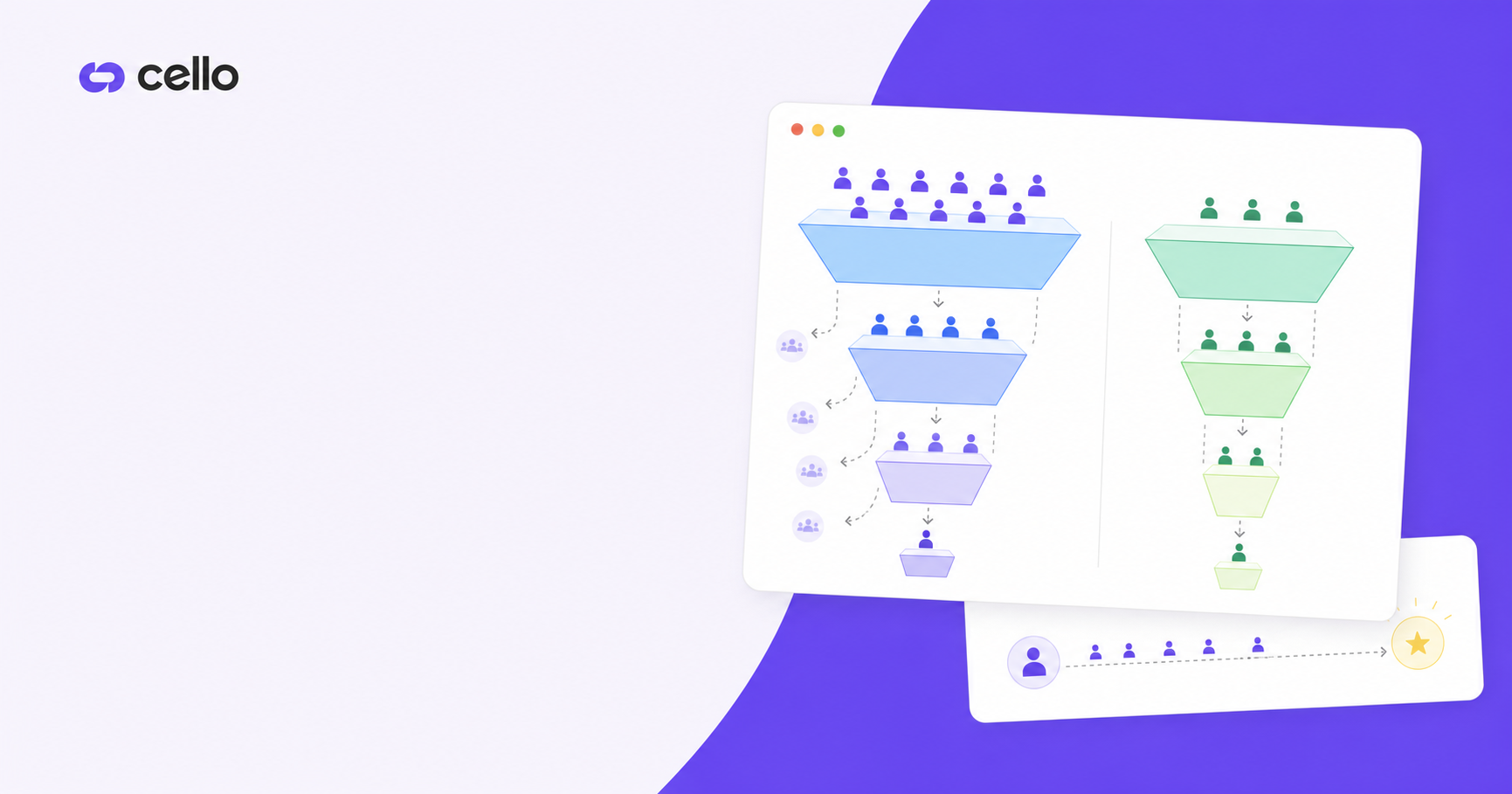
Cello's published customer data sits inside that range:
Paid traffic arrives without a peer endorsement, so each funnel step bleeds harder. The gap widens at the final billing event, where referrals convert warm intent and paid channels still pay to convince cold visitors.
Customer lifetime value and retention by channel
Referred customers retain longer and spend more over their lifetime than paid-acquired ones. Per Rivo's LTV analysis, referred customers carry an LTV 16% higher on average and churn at materially lower rates across the first 24 months, with retention running 37% higher than other acquisition sources.
The mechanism is selection. A referrer self-screens fit before the share happens, so the customer who lands already matches the product's ICP, trusts the recommender and arrives with realistic expectations. Paid clicks pull a wider funnel including weakly qualified intent. Lower CAC and higher LTV compound in the same direction, widening payback advantage every renewal cycle.
Attribution clarity: tracking ROI across acquisition channels
Paid attribution leaks in 2026. Four forces strip the cookies and device IDs paid channels rely on:
- Safari's Intelligent Tracking Prevention (ITP)
- Firefox's Enhanced Tracking Protection
- Ad blockers
- Apple's App Tracking Transparency (ATT)
A large majority of users decline ATT tracking when prompted, so most mobile conversions lose their clean path back to the paid touch that drove them.
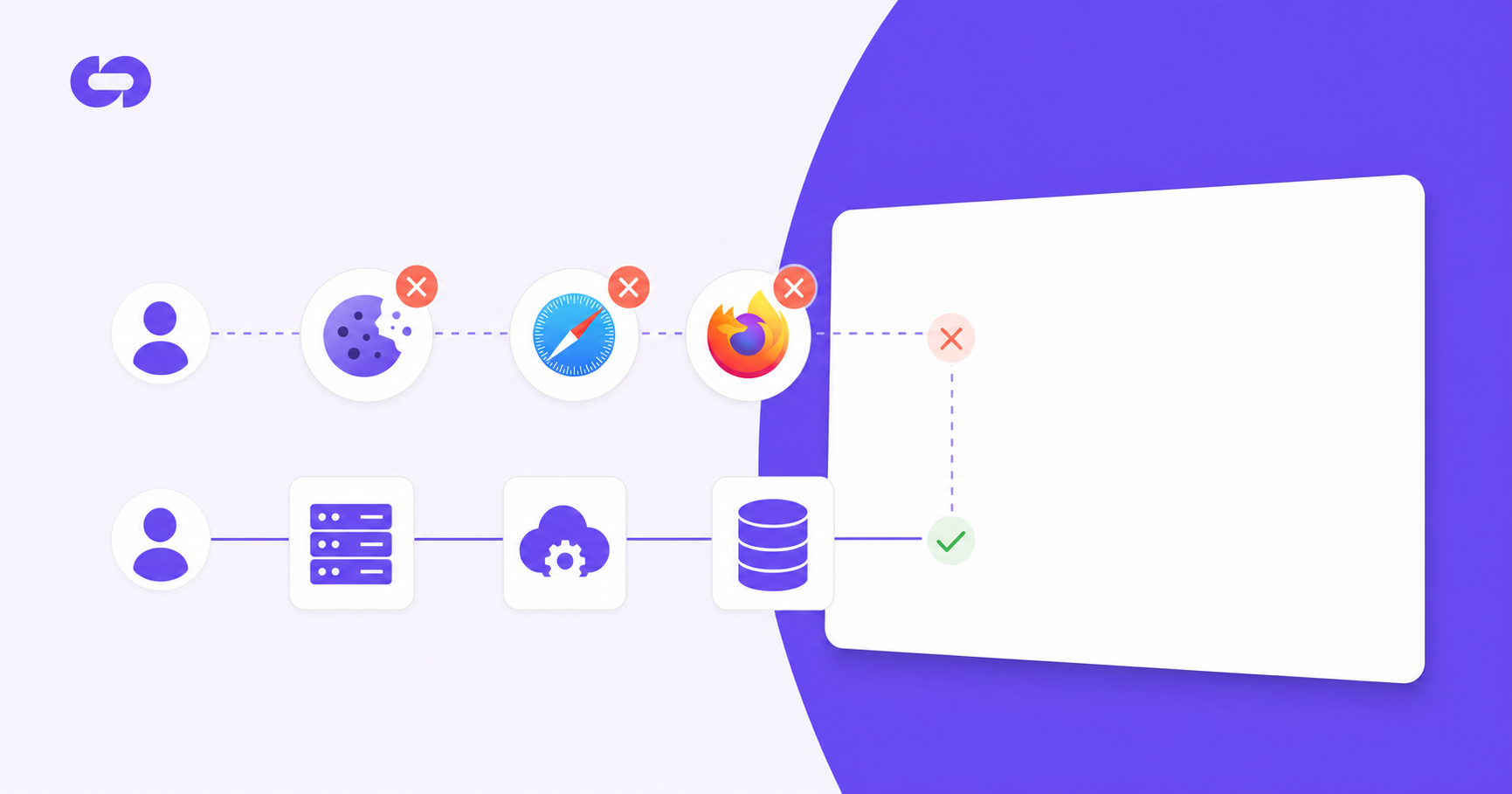
Multi-touch models patch the gap by weighting channels, but they inherit the same cookie problem at the entry point. Last-click overcredits the bottom of the funnel; data-driven models extrapolate from the conversions that did survive.
Referral attribution sidesteps the leak by running server-side. A unique referral code lands on the customer object inside the billing system (Stripe, Chargebee), and the conversion fires from the verified billing event. No browser cookie sits in the critical path.
For apples-to-apples ROI, normalize the paid number with a known leakage haircut and compare against referral revenue tied to invoice.paid or charge.succeeded. Without that adjustment, paid ROI looks better than it is and referral ROI looks smaller.
Paid acquisition cost inflation: the 2023-2026 shift
The comparison shifted because paid got more expensive, not because referrals got better. In recent years, three forces have stacked up:
- Ad auction saturation as more B2B SaaS competed for the same intent keywords, pushing CPCs up in CRM, security and finance ops
- Signal loss from iOS 14.5+ App Tracking Transparency (ATT), third-party cookie deprecation in Chrome and Intelligent Tracking Prevention (ITP), which degraded targeting accuracy and forced bid premiums to reach the same converting audiences
- AI search shrinking the organic surface on Google, redirecting traffic toward paid slots above answer boxes
The net effect: paid CAC moved up while paid conversion quality moved sideways. A referral comparison that looked marginal in 2023 looks structural in 2026 because the denominator changed. The channel mix decision is no longer "which costs less today," but "which curve are you riding for the next four quarters."
When paid channels win: speed, control and scale
Referrals lose on cold reach. A product entering a new category, geography or buyer persona has no existing user base to share from, so the channel produces zero until the first cohort lands and activates. Paid fills that gap inside a week.
Three other situations favor paid:
- Launch velocity, where a funded raise or competitive window forces volume in 30 days
- Targeting precision against a defined account list, where LinkedIn ads, ABM display and intent data isolate a buying committee a referrer cannot reach
- Budget predictability for finance planning, where CPC and CPL ranges hold week to week while referral output flexes with user engagement
Paid is the right tool when the input you control is dollars and the input you cannot control is your user base.
Building a blended channel strategy: combining both for optimal CAC
Blended CAC drops fastest when paid handles cold reach and referrals compound on the warm base paid created. A workable allocation by stage:
- Pre-PMF, under $1M ARR: 80% paid, 20% referral pilot to validate share mechanics
- $1M to $10M ARR: 60% paid, 40% referral once a recurring sharing cohort exists
- $10M+ ARR: rebalance toward referral as the in-product base scales, holding paid for ABM and launch windows
Set a blended CAC target, then let referral percentage rise until paid ROI hits its ceiling.
That target only means something once referral and paid sit in the same report, so you can actually compare them instead of guessing. Most teams get there by stitching numbers together in a spreadsheet by hand. But you can use Whatagraph to pull both into one cross-channel report instead.
How Cello turns referral programs into measurable acquisition channels
Fair ROI comparison needs the referral channel measured with the same rigor as paid. Cello supplies the infrastructure layer:
- Server-side attribution through Stripe and Chargebee webhooks, so conversion fires from
invoice.paidinstead of a browser cookie - Automated fraud detection that cancels rewards on refunds and screens self-referrals before payout
- Portal analytics that surface CAC, payback period and revenue by referral source alongside benchmarks
The output is a referral number a CFO can place next to paid CPL on the same dashboard, calculated from the same billing events, with the same rules for what counts as a paying customer.
Final thoughts on referral vs paid channel economics
The blended CAC advantage compounds when you measure both channels from the same billing events and let referrals scale off the warm user base paid acquisition creates. Paid still wins when you need cold reach in 30 days, but referrals close the gap fast once your first cohort activates and starts sharing. Cello runs server-side attribution so your referral ROI calculates from the same invoice webhooks your paid channels report against, no cookies required.
Can I calculate referral ROI the same way I calculate paid acquisition ROI?
No. Referral ROI requires normalizing for attribution leakage before comparing against paid channels. Paid CAC appears artificially low when 30–50% of conversions go untracked due to Safari ITP, Firefox ETP, ad blockers and App Tracking Transparency. Calculate referral ROI from verified billing events (`invoice.paid`, `charge.succeeded`) and apply a leakage haircut to paid CAC to get an apples-to-apples comparison.
Referral programs vs paid acquisition: which scales faster for early-stage SaaS?
Paid acquisition scales faster for cold reach and launch velocity. Referrals produce zero output until the first user cohort lands and activates, so products entering new categories, geographies or buyer personas need paid channels to create the initial base. Once that base exists and shares consistently, referrals compound while paid efficiency flattens.
How do I track referral CAC when attribution doesn't rely on cookies?
Server-side attribution tracks referral CAC by reading conversion events directly from your billing system. A unique referral code lands on the customer object inside Stripe or Chargebee, and the conversion fires from the verified `invoice.paid` event rather than a browser cookie. This means CAC calculation survives Safari ITP, ad blockers and mobile App Tracking Transparency opt-outs that strip cookie-based tracking.
What CAC reduction should I expect from switching to referral programs?
Verified customer outcomes range from 33% to 90% CAC reduction depending on program structure and product-market fit. Shore cut CAC by 33% after migrating to an in-product referral program, Moss achieved 50% lower CAC versus inbound channels and VEED reduced CAC by 90.4% compared to paid acquisition. The structural advantage is that referral rewards trigger only on verified conversions, not on clicks or impressions.
When should I rebalance channel budget toward referrals instead of paid?
Rebalance when your active user base reaches sufficient scale to produce recurring shares and paid efficiency hits its ceiling. A workable allocation: 80% paid / 20% referral under $1M ARR to validate share mechanics, 60% paid / 40% referral between $1M and $10M ARR once a sharing cohort exists, then shift further toward referrals above $10M ARR while holding paid for ABM and launch windows
What structural advantages do referral channels have over paid acquisition beyond lower CAC?
Referral channels compound over time while paid channels reset each period, and referred customers self-select for product fit before sharing. Server-side attribution tracks conversions through billing events rather than cookies, eliminating the 65% mobile attribution loss paid channels experience from ITP and ATT opt-out.
How do I account for attribution leakage when comparing paid CAC to referral CAC?
Apply a leakage haircut to paid CAC before comparison, since roughly two-thirds of mobile conversions and a material share of web conversions never attribute cleanly due to Safari ITP, Firefox ETP, ad blockers and App Tracking Transparency. Referral CAC calculates from verified billing events without cookie dependency, so it reflects actual cost per paying customer rather than inflated spend divided by tracked conversions.
Can referral programs replace paid acquisition entirely for B2B SaaS?
No. Referral programs require an existing user base to generate shares, so paid acquisition fills the cold-reach gap during launch, new market entry and rapid scaling windows. The optimal strategy combines paid for cold reach and referrals for warm compounding, with referral percentage rising as the user base scales.
How does LTV compare between referred customers and paid-acquired customers?
Referred customers carry 16-37% higher LTV and retain longer because referrers self-screen for product fit before sharing. The referred customer arrives with realistic expectations and trust already established, reducing early churn compared to paid traffic that converts from cold clicks.
At what ARR threshold should I shift channel budget toward referrals?
Begin rebalancing at $1M ARR once you have a recurring sharing cohort, moving from 80% paid / 20% referral toward 60% paid / 40% referral by $10M ARR. Above $10M ARR, let referral percentage rise further while holding paid for ABM and launch windows where cold reach remains necessary.
Do referral programs work for sales-led B2B SaaS or only PLG products?
Referral programs work for sales-led motions through partner programs and demo booking conversions rather than self-service signups. Attribution tracks through CRM systems (Salesforce Apex Triggers, HubSpot deal stages) instead of billing webhooks, rewarding referrers when referred leads schedule and attend demos rather than requiring immediate purchase
How do I measure referral program ROI if my product has a long sales cycle?
Track demo bookings, SQL conversions and deal-stage progression as conversion events rather than requiring immediate paid subscriptions. Cello supports multi-stage attribution where rewards trigger at qualified milestones throughout the sales funnel, enabling ROI measurement aligned to your actual buying process.
Why did paid CAC increase between 2023 and 2026 while referral CAC stayed flat?
Ad auction saturation from more B2B SaaS competing for the same keywords, signal loss from iOS ATT and third-party cookie deprecation degrading targeting accuracy, and AI search shrinking the organic surface drove paid CPCs up. Referral CAC held flat because reward costs tie to verified conversions rather than impression volume or auction dynamics.
What conversion rate should I expect from referred traffic versus paid traffic?
Referred traffic converts 3-5x higher than paid traffic at most funnel stages because trust is established before the click. Verified B2B SaaS examples show referred signup rates between 12.7% and 54.8%, while paid traffic typically converts in the single digits without peer endorsement.
Should I run separate referral campaigns for different customer segments or subscription tiers?
Yes. Multi-campaign architecture enables targeting by subscription tier, geography, user role and organization size with distinct reward amounts and eligibility rules per segment. This allows tier-specific economics where high-value customer referrals earn larger rewards than basic-tier referrals, optimizing program ROI across your customer base.